Built by Climbers,
for Climbers
What is the Acacia Climbing Coalition?
Acacia Climbing Coalition (ACC) is a community-led organisation dedicated to securing and protecting climbing access across Southeast Queensland. We work directly with local councils, land managers, and the broader climbing community to establish the foundations that climbing areas need — formal recognition, infrastructure, and long-term agreements.
We operate as a formal partner with the Australian Climbing Association Queensland (ACAQ), bringing together volunteers, advocates, and climbers who believe that access is worth fighting for.

Meet the Founder
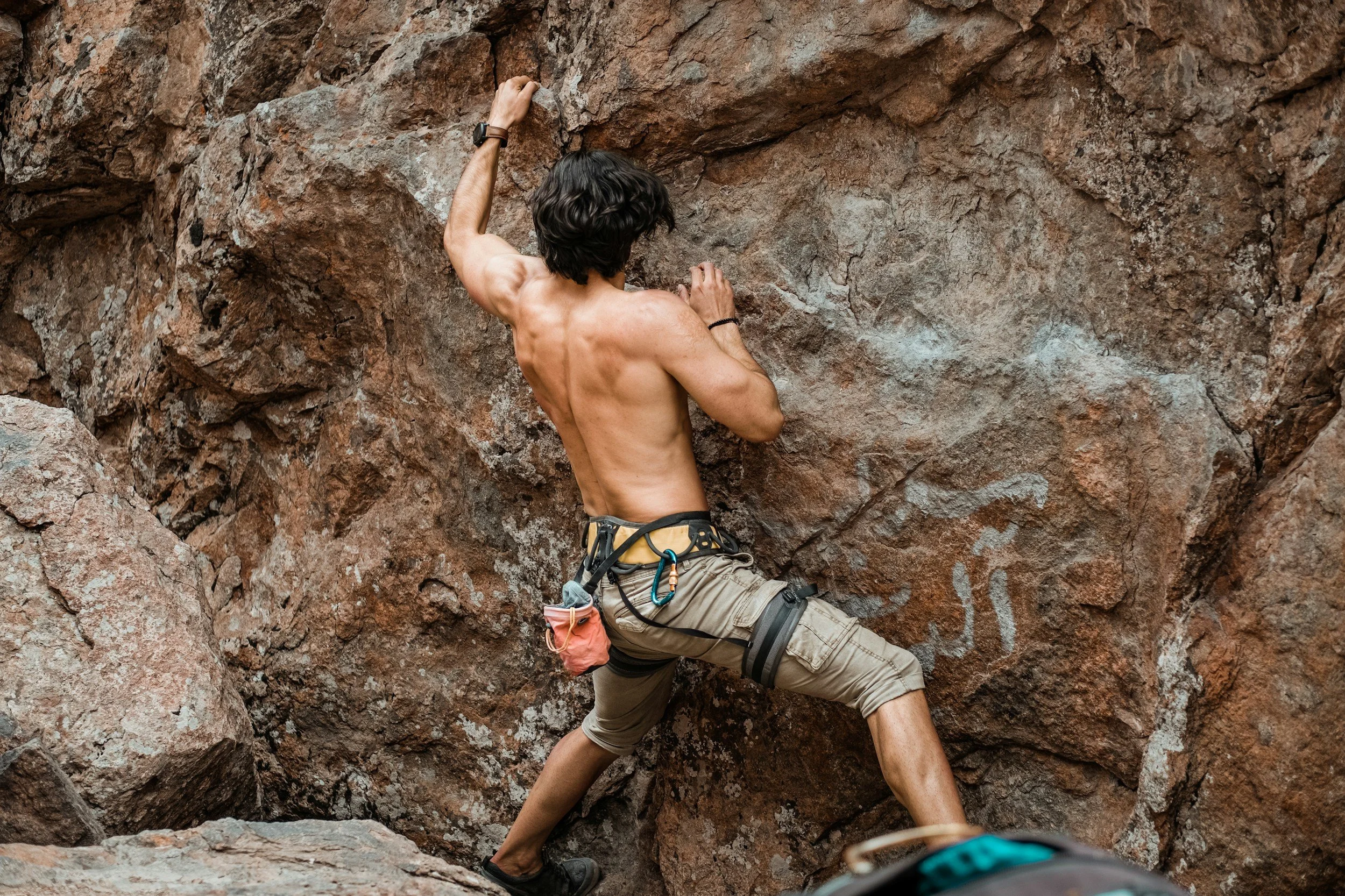
Hey! I'm Cooper a Gold Coast climber, and the person behind Acacia Climbing Coalition. What started as digitising our local guidebooks turned into something I hadn't quite planned: building the foundations for the long-term future of climbing in Southeast Queensland.
The more I looked at what we have across Australia, the clearer it became that incredible climbing areas exist without the formal recognition or council relationships needed to protect them. I want to do this the right way, working closely with councils and land managers so that what we build actually lasts.
We recently hit a real milestone at Tooheys Forest: formal recognition from Brisbane City Council, stairs to the main sector, signage, and a solid ongoing relationship with the council. It's proof the approach works. Now we're applying it across Cedar Creek, White Rock, and Plunketts.
But Southeast Queensland is just the start. The vision for ACC is a national coalition with dedicated people spearheading access and advocacy in their own regions across Australia. If you're a climber who cares about the future of your local crag, that's exactly the kind of person we want to build this with.
Common questions
•
Common questions •
-
Without formal recognition from a council or land manager, climbing areas exist in a legal grey zone. That means no infrastructure, no maintenance support, and no protection if a council decides to close access. Formal recognition gives us a seat at the table and a future we can plan around.
-
Every council is different, but typically it means the council formally acknowledges climbing as a legitimate recreational activity at the site, agrees to maintain basic infrastructure like access tracks, and establishes an ongoing relationship with ACC as the responsible community body.
-
Yes — and without a formal agreement, they can do so with little notice and no obligation to consult the climbing community. That's exactly why this work matters. Formalising access gives climbers a voice in those decisions.
-
KAYA is Australia's leading digital guidebook platform for climbing. ACC uses it to build permanent, publicly accessible records of each crag — including boulder problems, grades, approach info, and access notes. Having thorough documentation also demonstrates to councils that the climbing community is organised and self-managing.
-
Absolutely — that's part of the long-term vision. Get in touch and we can share what we've learned from the Queensland experience. Building a network of regional coalitions is exactly where we want to go.
-
We approach councils and land managers as partners, not opponents. Our goal is to understand their concerns — environmental impact, liability, maintenance — and demonstrate that the climbing community is responsible, organised, and genuinely invested in looking after these spaces.
-
Right now, the most useful thing is to stay connected and follow what we're building in Queensland. The model we're developing here — council relationships, KAYA documentation, community stewardship — is designed to be replicated. When the time comes to expand into other states, we want people who already understand what ACC is about. Follow along on Instagram, get across the Progress map, and reach out if you're serious about driving access in your region.
Every crag needs a coalition behind it.
Share this page with anyone in the Queensland climbing community.